
Supporting Veterans Effectively: Helping Veterans in Need
- Canyon Sparks
- May 26
- 4 min read

Every day, many veterans face challenges that can feel overwhelming. From finding stable housing to securing meaningful employment, the path to rebuilding life after service is not always clear. I want to share practical ways to support veterans effectively. This guide offers clear steps and resources to make a real difference.
Understanding the Challenges Veterans Face
Veterans often return home with unique needs. Some struggle with physical injuries, while others face mental health issues like PTSD. Many encounter difficulties finding affordable housing or steady jobs. These challenges can lead to isolation and hardship.
For example, a veteran might leave the military with skills that don’t easily translate to civilian jobs. Without support, this can cause frustration and financial strain. Others may find it hard to access healthcare or community services.
Recognizing these obstacles is the first step. It helps us respond with empathy and targeted support. When we understand what veterans face, we can offer help that truly meets their needs.
Supporting Veterans Effectively: Practical Approaches
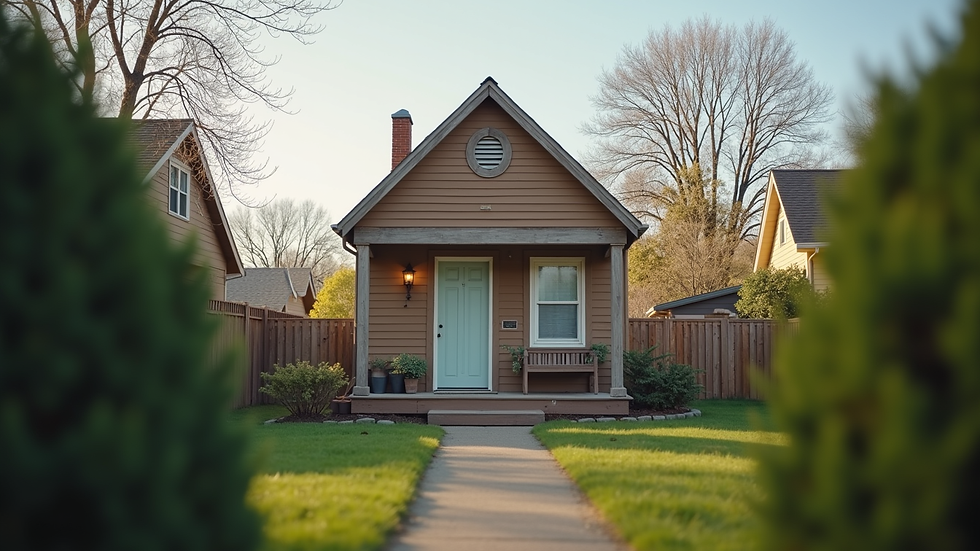
Helping veterans effectively means focusing on their most urgent needs. Stable housing is a top priority. Programs that provide tiny homes or affordable apartments give veterans a safe place to live. This stability is the foundation for rebuilding their lives.
Employment support is another key area. Veterans benefit from job training, resume workshops, and connections to employers who value their skills. Many organizations offer mentorship programs that guide veterans through career transitions.
Mental health support cannot be overlooked. Access to counseling, peer support groups, and crisis intervention services helps veterans cope with trauma and stress. Encouraging open conversations about mental health reduces stigma and promotes healing.
Here are some practical ways to support veterans effectively:
Donate to nonprofits that focus on veteran housing and employment.
Volunteer your time at local veteran centers or job fairs.
Advocate for policies that improve veteran benefits and services.
Educate yourself and others about veterans’ experiences and needs.
These actions create a network of support that empowers veterans to thrive.
What Can I Do to Support Veterans?
If you want to make a difference, start with small, meaningful steps. Volunteering is a powerful way to connect directly with veterans. Many organizations welcome help with events, mentoring, or administrative tasks.
You can also offer professional skills. For example, if you have experience in career coaching, consider helping veterans polish their resumes or practice interviews. If you work in healthcare, volunteering at veteran clinics can provide critical support.
Donations are always appreciated. Even small contributions help fund housing projects, job training, and mental health programs. If you’re unsure where to give, look for local or national nonprofits with a strong track record.
Another way to help is by spreading awareness. Share information about veterans’ needs on social media or in your community. Encourage others to get involved. Awareness leads to action.
Remember, every effort counts. Whether you volunteer once a month or donate regularly, your support makes a difference.

Connecting Veterans with Resources
Access to resources is critical for veterans rebuilding their lives. Many organizations offer services tailored to veterans, including housing assistance, job placement, and healthcare.
One effective approach is to create a personalized plan for each veteran. This plan might include:
Housing support - Finding affordable or transitional housing options.
Employment services - Job training, resume help, and interview preparation.
Healthcare access - Connecting with VA hospitals or community clinics.
Mental health care - Counseling, support groups, and crisis services.
Legal aid - Assistance with benefits claims or other legal issues.
Veterans often benefit from a case manager who helps coordinate these services. This support ensures they don’t get lost in the system and receive the help they need promptly.
If you want to learn more about how to help veterans in need, many organizations provide detailed guides and volunteer opportunities. Getting involved through trusted groups maximizes your impact.
Building a Community That Cares
Creating a supportive community is essential. Veterans thrive when they feel connected and valued. Community events, peer support groups, and social activities help reduce isolation.
Local businesses can also play a role by offering veteran-friendly hiring practices and discounts. Schools and universities can provide scholarships and support programs for veteran students.
As a community member, you can:
Organize or participate in veteran appreciation events.
Support veteran-owned businesses.
Encourage local leaders to prioritize veteran services.
Foster inclusive environments where veterans feel welcome.
Together, these efforts build a network of care that helps veterans rebuild their lives with dignity and hope.
Taking the Next Step
Supporting veterans is a shared responsibility. Whether through volunteering, donating, or simply learning more, every action counts. The Veterans Alliance is committed to providing essential resources, stable housing solutions like Tiny Homes, and employment assistance to empower veterans.
If you want to make a real difference, start today. Reach out to local organizations, offer your skills, or spread the word. Your support helps veterans find stability and purpose.
Together, we can create a future where every veteran has the opportunity to thrive.

Comments